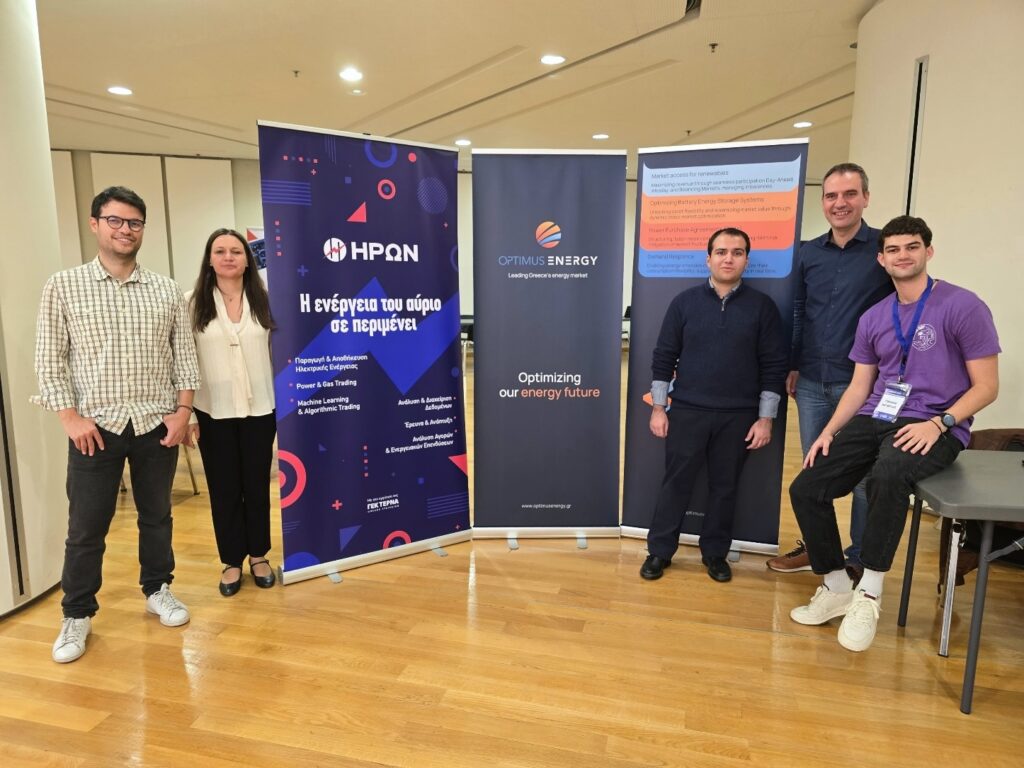
As part of the Energy Innovation Forum – Thessaly 2025, held on 11 December in Larissa, Optimus Energy highlighted the critical role of techno-economic analysis in the design and implementation of industrial self-consumption projects.
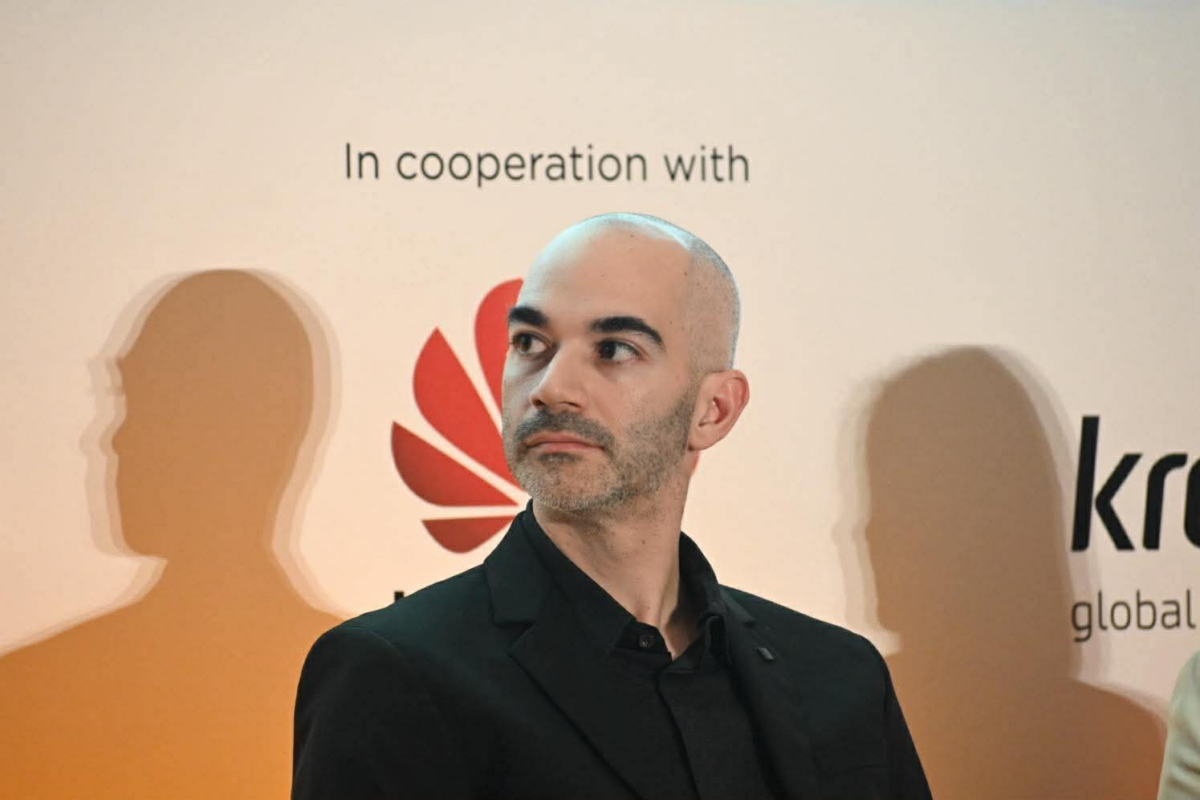
Stelios Vagropoulos, PhD in Electrical and Computer Engineering and Head of the RES Department at Optimus Energy, presented the evaluation methodology for such projects, focusing on the contemporary challenges of the electricity market and the solutions offered by combining Photovoltaic (PV) systems with Battery Energy Storage Systems (BESS).
From system design to investment decision
The presentation demonstrated that the success of a self-consumption project does not depend solely on installed capacity, but on a comprehensive analysis that includes:
- the self-consumption scheme (net billing, simple or virtual),
- the choice between zero feed-in or energy injection into the grid,
- the technical and economic characteristics of the equipment,
- as well as a detailed breakdown of electricity costs.
Particular emphasis was placed on the distinction between energy supply costs, regulated charges, and long-term electricity costs, the latter requiring specialized market simulation tools for reliable assessment.
A representative case study was presented involving an industrial facility with a seasonal consumption profile, examining:
- the installation of a 1 MWp PV system under a zero feed-in configuration,
- in combination with a Battery Energy Storage System (BESS).
The results showed that energy storage can act as a catalyst for maximizing cost savings, particularly in dynamic pricing environments (orange tariff), where the Market Clearing Price (MCP) has a direct impact on economic performance.
The sensitivity analysis presented (comparison of different BESS sizes) demonstrated that the gradual decline in battery costs is creating new savings opportunities for industrial consumers. At the same time, alternative battery use cases were highlighted, including:
- deployment of BESS in industrial facilities without PV systems,
- applications in RES projects with surplus energy injection into the grid,
- participation through Aggregators / Balance Responsible Parties (BRPs).
By leveraging specialized simulation tools and scientific expertise, Optimus Energy supports its clients across all stages — from feasibility studies to informed investment decision-making. As highlighted during the event, self-consumption and energy storage are now strategic tools for reducing energy costs and enhancing the competitiveness of Greek industry.